
Plant-Based Foods for Joint Support
Discover how nutrient-rich plant foods work naturally to support joint mobility and flexibility. Learn the science behind plant-based nutrition and explore the foods our community loves most.
The information on this site is for educational purposes only and does not constitute medical advice. Always consult a qualified healthcare professional before making health decisions.
Key Features of Plant-Based Joint Support
Natural Anti-Inflammatory Compounds
Plant-based foods contain polyphenols, flavonoids, and other phytonutrients that support your body's natural inflammatory response. Leafy greens, berries, and colorful vegetables are rich sources of these beneficial compounds.
- Curcumin from turmeric
- Anthocyanins from berries
- EGCG from green tea
Complete Amino Acid Profiles
Combining legumes, nuts, seeds, and whole grains provides all nine essential amino acids needed for maintaining healthy joint cartilage and supporting connective tissues. Our editorial team explores optimal plant-based combinations.
- Quinoa & hemp seeds
- Legume & grain pairs
- Nuts & seed blends
Rich Mineral & Micronutrient Content
Magnesium, calcium, zinc, and vitamin K from plant foods are essential for bone and cartilage integrity. These minerals work synergistically to support overall skeletal health and joint flexibility.
- Dark leafy greens
- Seeds and nuts
- Whole grain sources
Cardiovascular and Overall Wellness
Plant-based diets rich in fiber, antioxidants, and healthy fats support cardiovascular function, which is essential for nutrient delivery to joints. Better circulation means better nourishment for joint tissues.
- Omega-3 fatty acids
- High-fiber content
- Antioxidant protection
Natural Antioxidant Defense
Plant foods contain hundreds of antioxidants that help protect joint cells from oxidative stress. This cellular protection contributes to maintaining healthy joint function and mobility over time.
- Vitamin C sources
- Vitamin E rich foods
- Selenium containing options
Science-Backed Nutritional Approach
Our editorial content is grounded in peer-reviewed research and expert nutritional science. We explore how traditional plant-based diets align with modern nutritional understanding of joint support.
- Research-backed insights
- Expert nutritionist content
- Evidence-based recommendations
Why Plant-Based Foods Work Best for Joints
Plant-based nutrition provides a comprehensive approach to joint support. Unlike isolated supplements, whole plant foods offer synergistic combinations of nutrients that work together to support your body's natural processes.
Whole Food Synergy
Complete nutrient profiles work together naturally, rather than as isolated compounds.
Sustainable Approach
Long-term joint support comes from consistent, real food choices integrated into daily life.
Community-Tested
Our readers share their experiences with plant-based joint support strategies that work.
Evidence-Based
Our content reflects current nutritional science and research findings on plant foods and joint health.
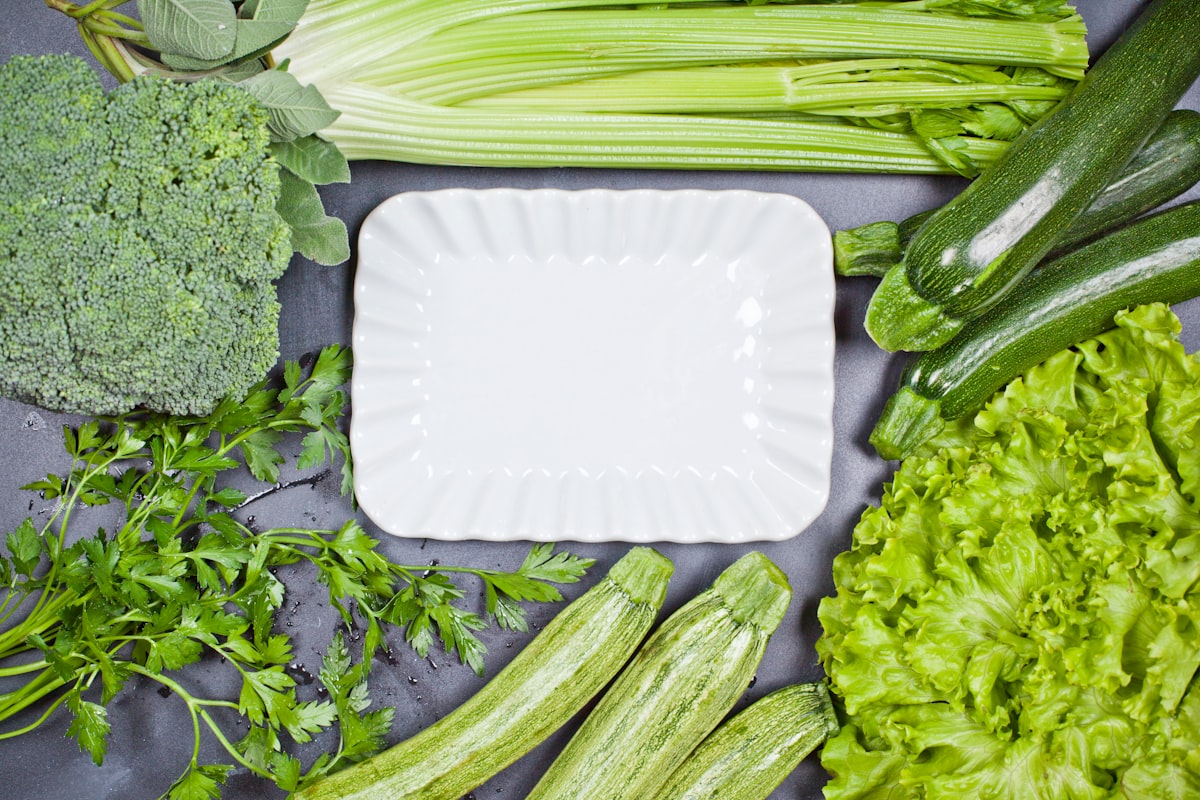
Your 30-Day Plant-Based Joint Support Journey
Week 1: Foundation & Discovery
Begin exploring the plant foods that support joint health. Focus on incorporating colorful vegetables, leafy greens, and berries into meals. This week is about awareness and learning which plant foods resonate with your preferences and daily routine.
Key foods to explore:
Spinach, kale, blueberries, turmeric, ginger root, walnuts, flaxseeds, and extra virgin olive oil.
Week 2: Mineral Boost Phase
Build on the foundation by intentionally including minerals that support joint structure and function. Legumes, nuts, seeds, and whole grains provide magnesium, calcium, and zinc. This week emphasizes completing protein intake with complementary plant sources.
Key foods to emphasize:
Lentils, chickpeas, almonds, pumpkin seeds, quinoa, brown rice, and sesame seeds.
Week 3: Antioxidant Integration
Focus on adding diverse antioxidant-rich foods to support cellular protection. Mix and match colorful vegetables, fruits, herbs, and spices to maximize the variety of protective compounds in your diet. Begin noticing how consistent plant-based choices feel.
Key foods to integrate:
Beets, carrots, oranges, green tea, dark chocolate (70%+), oregano, thyme, and rosemary.
Week 4: Optimization & Habit Building
Consolidate your learning and refine your favorite plant-based combinations. This week is about creating sustainable habits that feel natural and enjoyable. Reflect on which foods work best for you and plan how to continue this approach long-term.
Focus areas:
Meal planning, finding favorite recipes, joining our community for shared experiences, and establishing routines.
Top Plant Foods for Joint Support

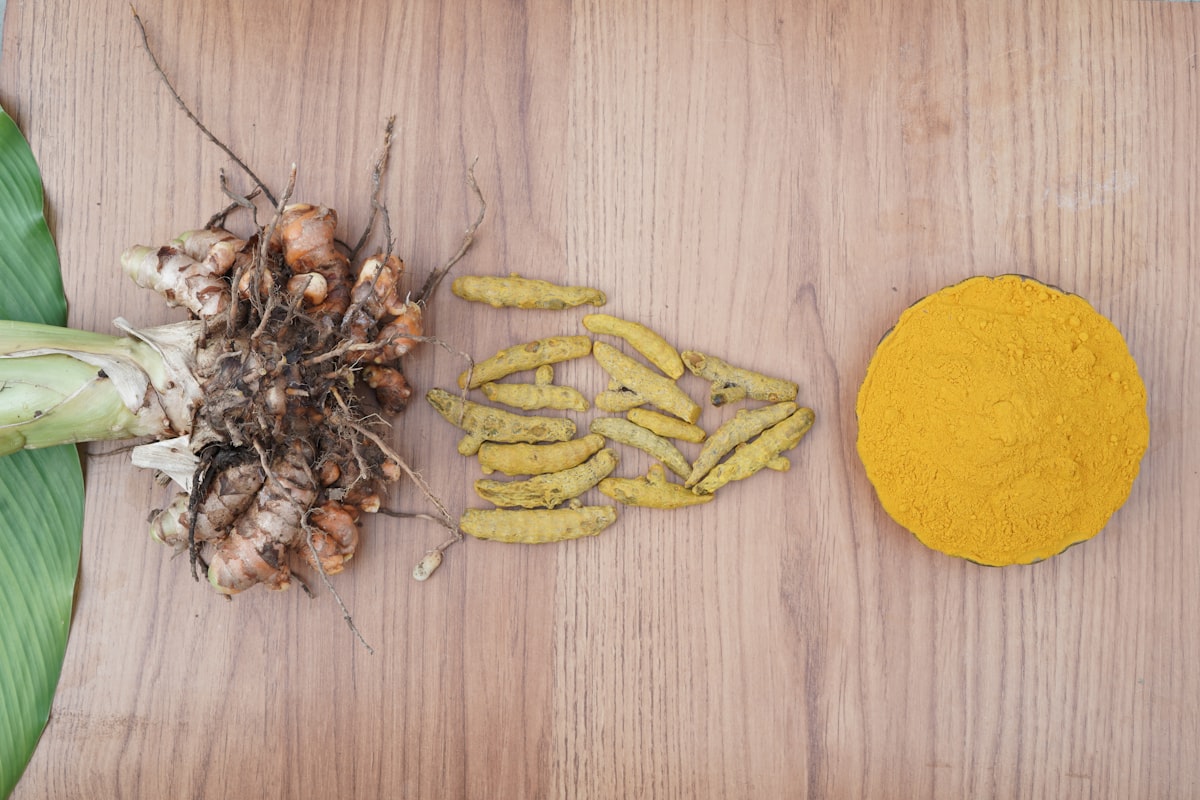
Leafy Greens
Spinach, kale, and collards provide magnesium, calcium, and vitamin K essential for bone and cartilage maintenance. Rich in polyphenols that support natural inflammatory response.
Spinach • Kale • Swiss chard • Collard greens
Berries
Blueberries, strawberries, and raspberries contain anthocyanins and other powerful antioxidants. Support cellular protection and overall joint wellness through consistent consumption.
Blueberries • Strawberries • Raspberries • Blackberries
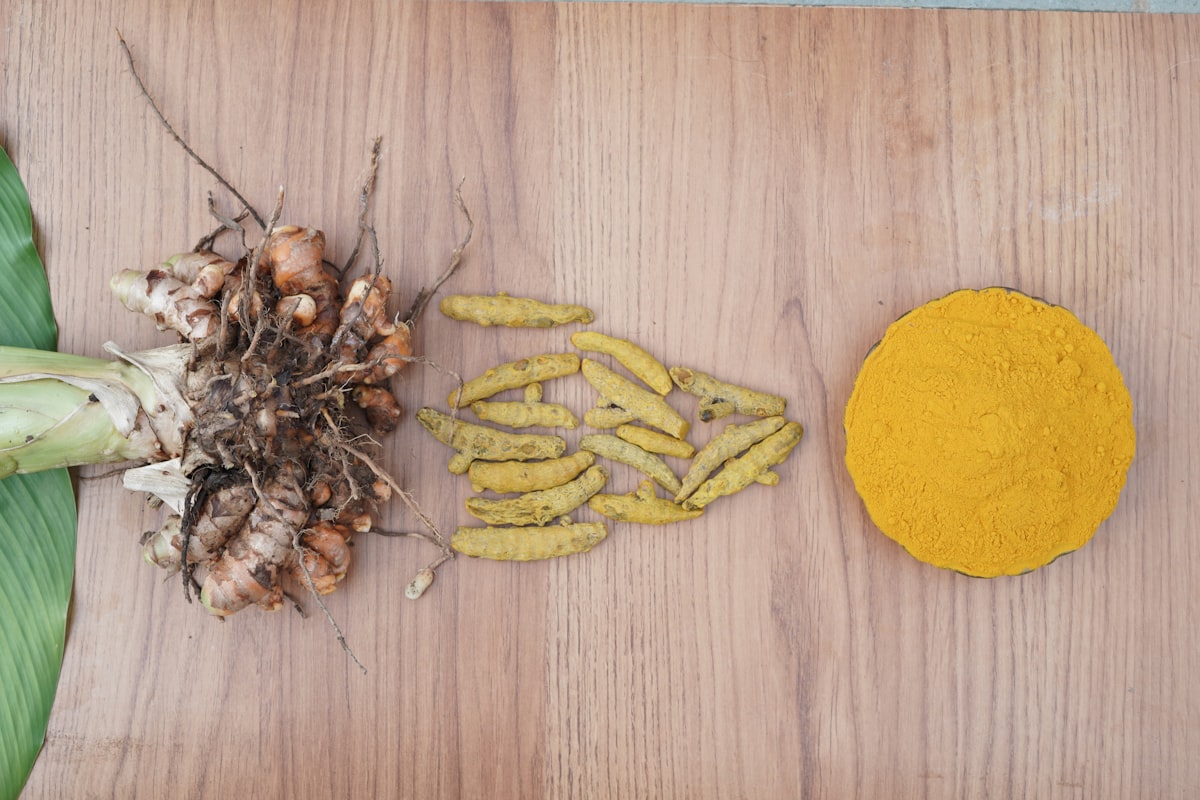
Golden Spices
Turmeric contains curcumin and ginger provides gingerols—both are traditional plant compounds studied for their role in supporting comfortable movement and flexibility.
Turmeric • Ginger • Black pepper (for absorption)

Nuts & Seeds
Almonds, walnuts, flaxseeds, and chia seeds offer omega-3 fatty acids, mineral content, and plant-based proteins. Support cardiovascular health which ensures nutrient delivery to joints.
Walnuts • Almonds • Flaxseeds • Chia seeds • Hemp seeds
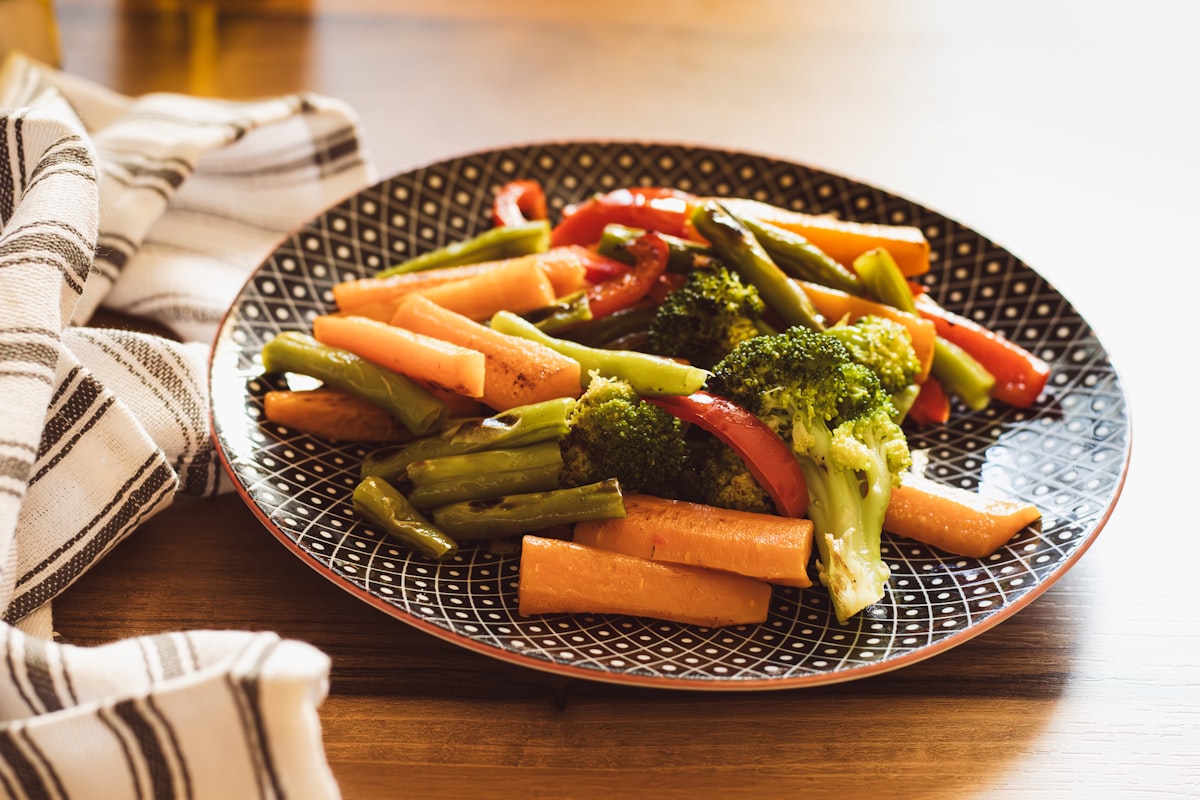
Legumes
Lentils, chickpeas, and beans provide complete plant proteins when paired with grains. Rich in polyphenols and minerals that support joint structure and function.
Lentils • Chickpeas • Black beans • Pinto beans
Whole Grains
Quinoa, brown rice, and oats contain B vitamins, magnesium, and fiber. When combined with legumes, they provide complete protein profiles supporting sustained nutritional intake.
Quinoa • Brown rice • Oats • Barley • Whole wheat
Benefits Comparison: Plant-Based vs. Traditional Approaches
| Aspect | Plant-Based Approach | Traditional Approach |
|---|---|---|
| Nutrient Density | Whole foods with complete nutrient profiles and synergistic compounds | Isolated nutrients, single-element focus |
| Anti-inflammatory Support | Multiple compounds working together: polyphenols, flavonoids, antioxidants | Often addresses single inflammatory marker |
| Digestive Health | Natural fiber content supports healthy digestion and microbiome | Limited digestive support, focused on endpoint results |
| Cardiovascular Impact | Supports blood vessel health, circulation, nutrient delivery to joints | May address specific markers without whole-system benefit |
| Long-Term Sustainability | Builds enjoyable eating habits integrated into daily life | Often requires ongoing supplementation or intervention |
| Cost | Affordable whole foods, seasonal options, bulk purchases available | Can become expensive with specialized products |
| Community & Knowledge | Rich tradition, shared recipes, community experiences, growing research base | Limited personal connection, product-dependent |
Frequently Asked Questions About Plant-Based Joint Support
Individual experiences vary significantly. Many people report noticing increased flexibility and comfort within 2-4 weeks of consistent plant-based eating habits. Others may take longer. The key is sustained, regular consumption of nutrient-rich plant foods combined with overall lifestyle choices. Our community members share timelines ranging from 3 weeks to 3 months, with continued benefits observed over longer periods. Consistency matters more than perfection.
Yes, absolutely. Combining legumes with whole grains creates complete amino acid profiles. For example: beans with rice, lentils with quinoa, or hummus with whole grain bread. Quinoa, hemp seeds, and chia seeds alone contain all nine essential amino acids. The traditional pairing of grains and legumes across many cultures grains across many cultures reflects nutritional wisdom developed over thousands of years.
The general recommendation is 0.8g of protein per kilogram of body weight for sedentary adults. However, athletes and active individuals may need 1.2-2.2g per kg. Older adults often benefit from higher intake (1.0-1.2g per kg) to maintain muscle mass. Pregnant and breastfeeding women require additional protein. Your personalized requirement depends on your age, activity level, health goals, and medical conditions. Consulting with a registered dietitian helps determine your optimal intake.
Both provide amino acids, but animal proteins (meat, fish, eggs, dairy) are "complete" with all nine essential amino acids in one source and higher bioavailability. Plant proteins (legumes, nuts, seeds, grains) often lack one or more essential amino acids individually, but can be combined to create complete profiles. Plant proteins also offer fiber, phytonutrients, and lower saturated fat. The optimal diet typically includes both sources, though many thrive on plant-based diets with proper planning and variety.
What Our Clients Say
Real transformations from people who've taken control of their nutrition and health with our expert guidance.
"The nutritionists here completely transformed how I eat. I have more energy, lost significant weight, and finally understand nutrition instead of just following trends."
Sarah Mitchell
Marketing Professional
"As an athlete, I needed personalized nutrition guidance. They created a meal plan that improved my performance and recovery. Game changer for my training!"
Marcus Chen
Competitive Runner
"Managing my diabetes through nutrition has never been easier. Their evidence-based approach gave me confidence and control over my health."
Patricia Rodriguez
Healthcare Administrator
Ready to Transform Your Health?
Start your personalized nutrition journey today. Schedule your free consultation with our expert team.
No credit card required • 30-minute discovery call • Expert nutritionists standing by