
Insights on Plant-Based Joint Support
Explore research-backed articles and expert perspectives on how plant-based foods can support your joint health and overall wellness. Our editorial team shares the latest findings and practical guidance.
Browse by Category:

Understanding Omega-3s from Plant Sources
Explore how plant-based omega-3 sources like flaxseeds, chia seeds, and walnuts compare to animal sources. Learn about ALA conversion and how to optimize your intake for joint support through whole foods rather than supplements.
The Best Antioxidant Plants for Joint Health
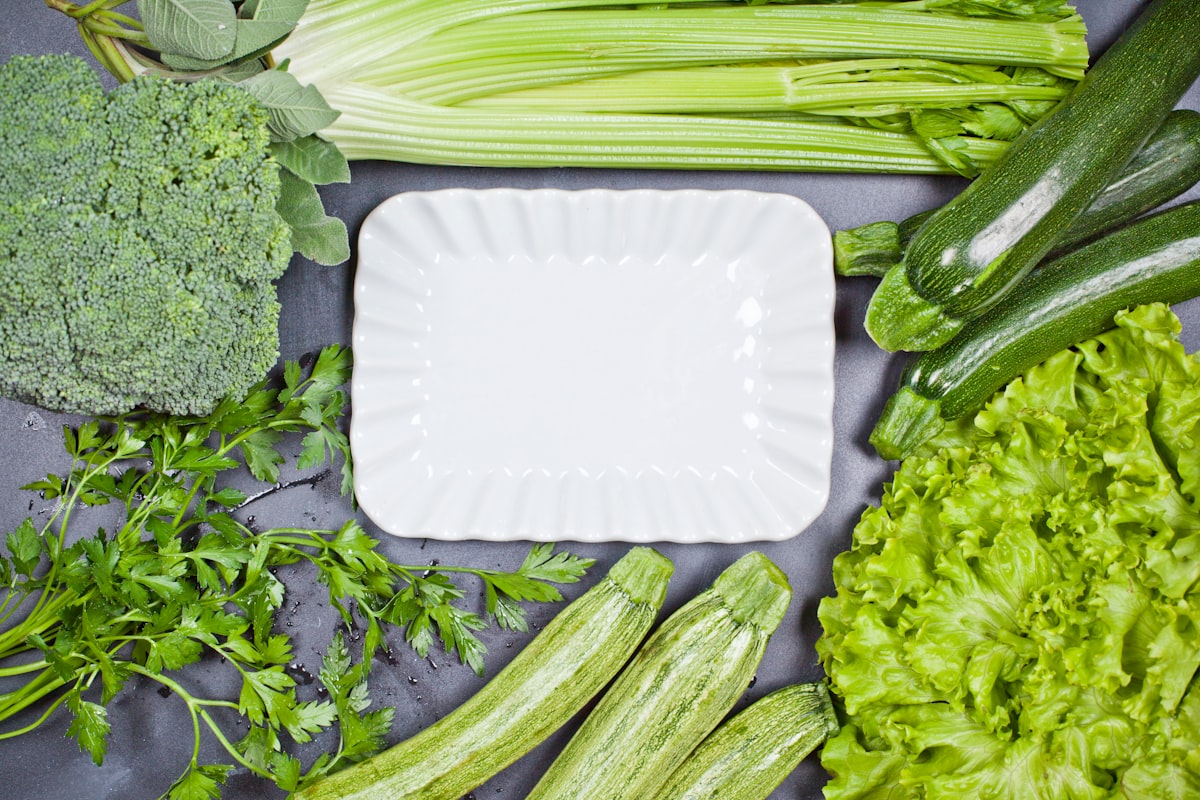
Berries, leafy greens, and colorful vegetables contain powerful antioxidants. Discover which plant foods are richest in these compounds and practical ways to incorporate them into every meal to support your body's natural processes.
Minerals in Plant Foods: What Your Joints Need
Calcium, magnesium, phosphorus, and silica play important roles in maintaining joint structure. This article examines which plant-based foods are excellent sources and how to build meals that naturally support mineral intake without supplementation.
The Gut-Joint Connection: Why Fiber Matters
Recent research highlights how gut health influences overall body function. Learn why fiber-rich plant foods support a healthy gut microbiome and how this digestive wellness may relate to joint comfort and flexibility through emerging nutritional science.
Seasonal Eating: Plant Foods Through the Year
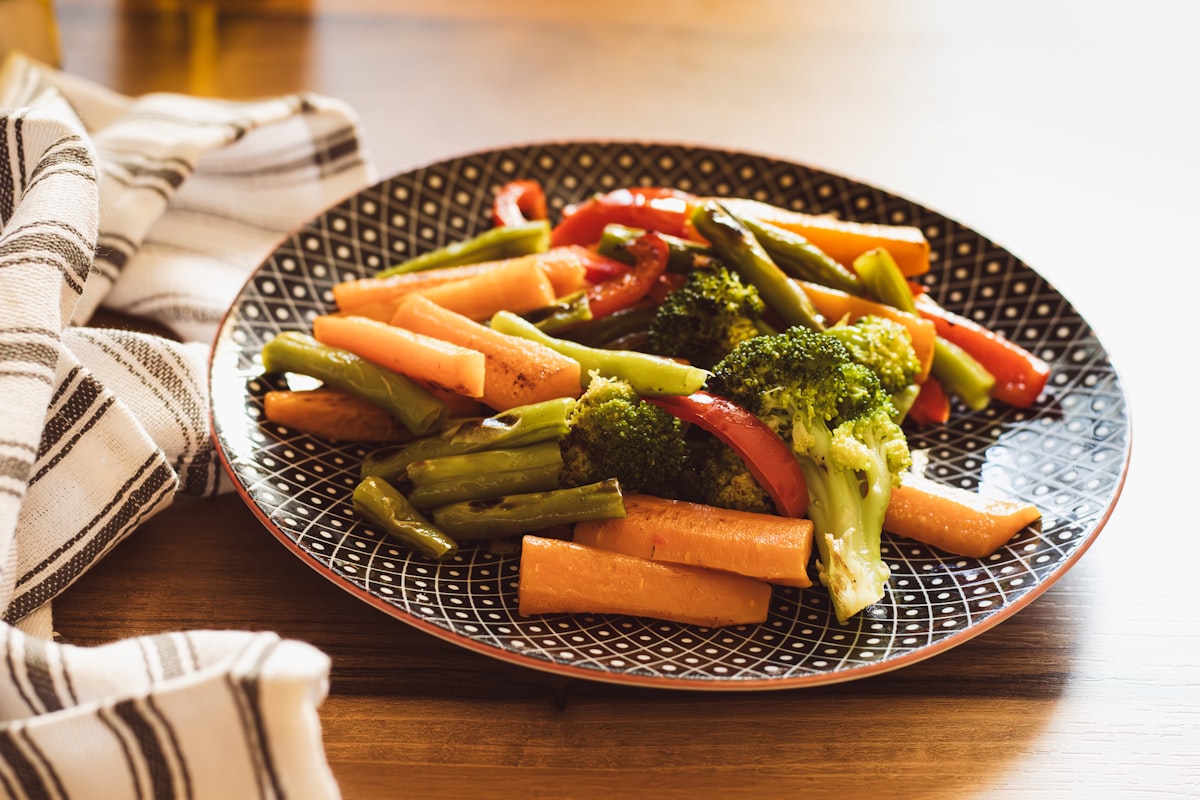
Eating seasonally offers nutritional advantages and connects us to local agriculture. Discover which plant-based foods are at their nutritional peak during different seasons and how to plan meals that naturally vary your nutrient intake year-round.

Building Balanced Plant-Based Meals
Learn the principles of combining plant foods to create nutritionally complete meals. Understand complementary proteins, micronutrient pairing, and practical meal assembly strategies that support sustained energy and body function.
Polyphenols: Hidden Compounds in Plant Foods
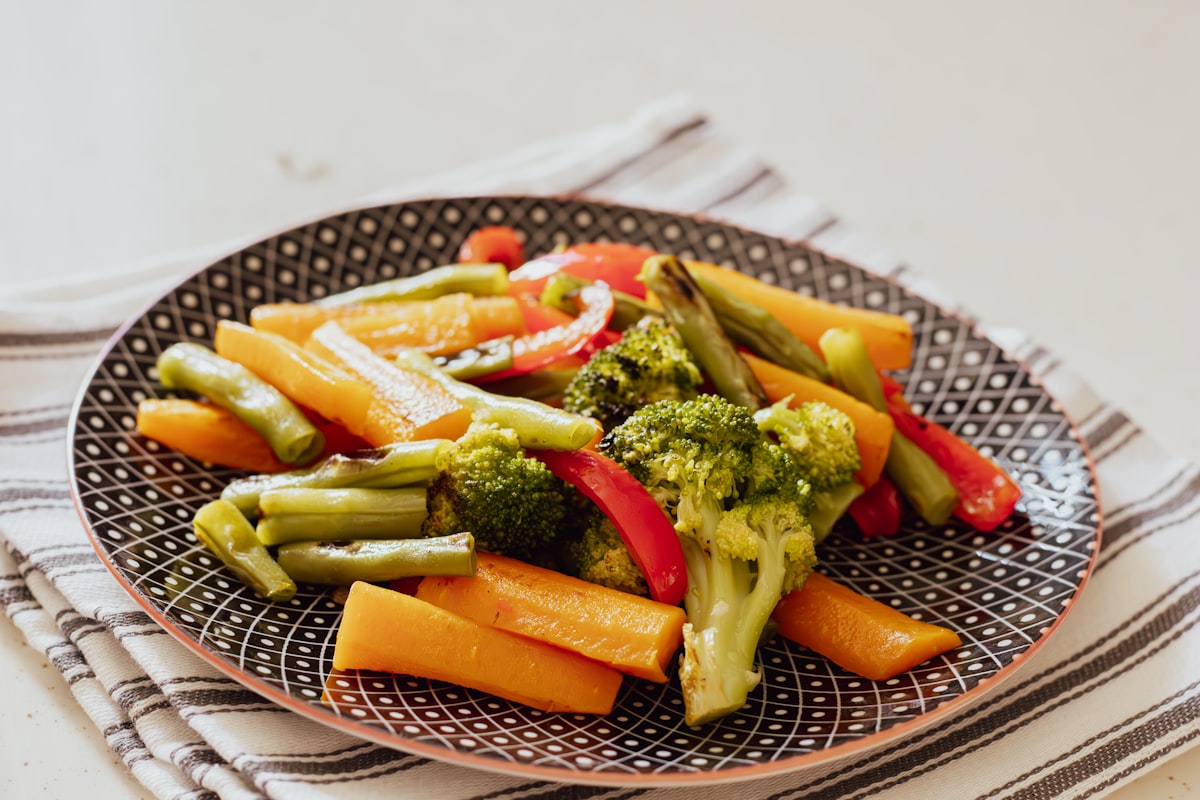
Polyphenols are bioactive compounds found throughout the plant kingdom. Explore which foods contain the highest concentrations, how they support various body systems, and simple methods to maximize polyphenol intake in your daily nutrition.
Cooking Methods and Nutrient Preservation
Different cooking techniques preserve or reduce nutrients differently. This article examines steaming, roasting, raw consumption, and fermentation to help you choose preparation methods that maintain the nutritional value of plant-based foods.
The information on this site is for educational purposes only and does not constitute medical advice. Always consult a qualified healthcare professional before making health decisions.
Our Editorial Team
The Nutritionist Joint Help Lab editorial team is committed to delivering accurate, science-based information about plant-based nutrition and joint health. Our writers, researchers, and nutritional advisors work together to provide evidence-backed insights you can trust.
Nutritional Research
Our team reviews the latest peer-reviewed studies and nutritional science to ensure every article reflects current evidence in plant-based nutrition.
Expert Guidance
Our writers consult with nutritionists and wellness experts to provide practical, actionable guidance grounded in professional nutritional knowledge.
Transparent Content
We cite our sources, explain the science clearly, and present information in an accessible way so you understand the reasoning behind our articles.
Frequently Asked Questions
Have questions about our articles or content? Find answers below.
We publish new insights and research articles regularly to keep our content fresh and aligned with emerging nutritional science. Our editorial calendar focuses on seasonal topics, trending research, and reader-requested topics. Subscribe to our updates through the contact page to be notified when new articles are published.
Our articles are researched based on peer-reviewed nutritional science and written by authors with expertise in plant-based nutrition. While we focus on nutritional and educational information rather than medical advice, we work to ensure accuracy and clarity. For specific health concerns, we recommend consulting with a qualified nutritionist or healthcare provider.
We encourage sharing our articles to spread evidence-based nutritional information. Please link back to the original article and credit the Nutritionist Joint Help Lab editorial team. If you have questions about using multiple excerpts or redistributing full articles, feel free to contact us for guidelines.
We value reader feedback and topic suggestions. Please visit our contact page and let us know what subjects you'd like us to explore. Our editorial team reviews all submissions and uses reader interest to guide our content calendar. Common requests help us prioritize which plant-based nutrition topics to cover next.
Yes, we welcome contributions from qualified nutritionists, researchers, and plant-based wellness experts. If you're interested in contributing to our editorial platform, please reach out through our contact page with a brief summary of your expertise and article idea. Our editorial board reviews all submissions to ensure they align with our standards for accuracy and quality.
Most of our in-depth articles include references and sources throughout the text and at the end. We believe in transparency about where our information comes from. If an article you're reading lacks sources or you'd like more detailed references, you're welcome to contact our editorial team and we'll provide additional materials or clarification.
Stay Updated with New Insights
Have feedback about our articles? Questions about plant-based joint health? Our editorial team is here to help. Reach out to share your thoughts, suggest topics, or get in touch with us.